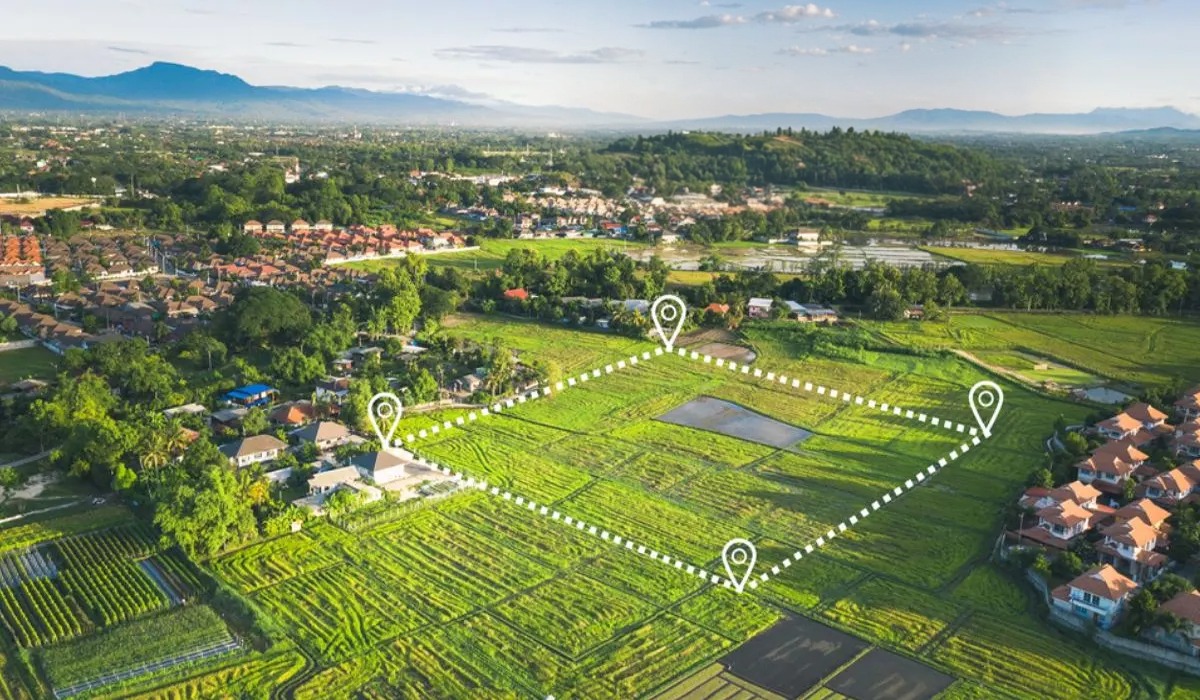
Should You Buy a Plot in India? Parameters making “Land” a Long-term Investment
Real estate has long held a peculiar fascination in the Indian psyche whether it is city dwellers or expats looking to own a piece of realm for secured investment to create continuous monthly income or families seeking for future security where they have a property crafted within their tastes, so the whole idea of buying a plot is to have the safest form of asset in India that is lucrative in terms appreciation and financial stability.
However, today we are in an era where a plethora of other investment options are available to people to meet their monetary requirements.
BACK TO WHAT WE ARE HERE FOR
Is purchasing a plot of land in India still safe in 2025 or a wrong move? So here you will discover: -
- All ins & outs of buying land as a long-term investment in India
- Sharing data
In India, owning a plot ensures stability and financial security. But is purchasing a plot a wise decision in today’s time, when one can set up a ready-to-move modern home for investment? This blog unveils everything about plots, as well as the risks to avoid the real estate trap, to lead a secure investment and provide authentic considerations for buying a plot for long-term assurance.
Buying a Plot Means
Buying a plot in India generally refers to purchasing a gated piece of land, whether it is residential or commercial, without any structure on it, you get just bare land with a leeway to conceptualize the building of your choice, but with some considerations, here are they in both residential and commercial: -
FAR Limits in residential plots, India
FAR, also known as FSI (Floor Space Index), is a factor that indicates how much can be built on a residential plot. Check it through the numbers below: -
Formula:
FAR = Total Built-up Area / Total Plot Area
TO EXPLAIN:
For example, if you have purchased a plot of 2,000 sq. ft. and a FAR of 1.5, you can construct a built-up area of 3,000 sq. ft.
And this also depends on city to city, where the average Floor Space Index and permission vary, so have a look at the below data where Delhi, Mumbai, Bengaluru, Hyderabad, Pune, and more cities show variations: -
FAR Limits in India (As of 2025): FOR RESIDENTIAL
City Average FAR for Residential Plot Max Permissible Floors
- Delhi 1.2 to 2.5 (varies by zone) Up to 4 Floors
- Mumbai 1.33 to 3.0+ (Redevelopment: up to 5) Up to 20+ in some zones
- Bengaluru 1.75 to 3.25 Up to G+4
- Hyderabad 1.5 to 2.5 depending on plot size
- Pune 1.1 to 2.5 Up to 4 Floors
- Chennai 1.5 to 2.5 Depends on zone & road width
- Tier-2 Cities 1.0 to 2.0 G+2 to G+3 mostly
FAR Limits in commercial plots, India
- FAR (Floor Area Ratio) = Total Built-up Area / Plot Area
- If you own a 1,000 sq. ft commercial plot and the FAR is 2.5, you can construct 2,500 sq. ft of built-up area.
FAR/FSI for Commercial Plots
City Typical FAR for Commercial Plots
- Delhi NCR 2.0 – 3.5
- Mumbai 2.5 – 4.0
- Bangalore 1.5 – 3.25
- Hyderabad 1.5 – Unlimited (TOD Zones)
- Pune 1.5 – 4.0
- Chennai 1.5 – 2.5
- Ahmedabad 1.8 – 4.0
IMPORTANT CONSIDERATIONS: The Pros and Cons of Buying Land in India (with Data & Insights)
HIGH APPRECIATION POTENTIAL
Through the table, you can see the top cities such as Delhi, Pune, Chennai, Mumbai, and more have seen the maximum appreciation in the plots: -
| City | 2021 vs 2020 | 2022 vs 2021 2023 vs 2022 2024 vs 2023 2025 vs 2024 | |||
| Delhi NCR | ~15 % | ~18 % | ~20 % | 49 % | ~0 %* |
| Mumbai | ~10 % | ~12 % | ~14 % | 18 % | ~0 %* |
| Bengaluru | ~12 % | ~14 % | ~15 % | 12 % | 5 % |
| Pune | ~ 10 % | ~12 % | ~14 % | 16 % | ~0 %* |
| Chennai | ~8 % | ~10 % | ~12 % | 16 % | n/a |
| Hyderabad | ~ 8 % | ~9 % | ~10 % | 3 % | 5 % |
| Ahmedabad | ~ 9 % | ~10 % | ~10 % | 10 % | 3.8 % |
| Kolkata | ~8 % | ~9 % | ~10 % | 10 % | 4 % |
The overall growth of 10–20% in the major metros makes them secure spots for plot investment for upcoming buyers to meet their financial needs.
Flexibility & Freedom to tailor your plot
You control the pace and design of construction, tailoring your home or commercial space to your exact needs, where you can curtail the expenses and have only those things that are in your use. And with no restrictions on renovations—unlike in apartment complexes or societies with strict by-laws.
Lower Maintenance Costs
Plots, as opposed to built-up properties, do not demand monthly maintenance fees or society charges. So only annual property tax is the cost to bear yearly. Which is way lesser when it comes to apartments or villas where monthly maintenance puts the burden on the buyers.
Potential for Passive Income
That sounds like a great idea because owning land gives you the Freedom to put your property up for either leasing for farming, parking, or commercial use to generate passive income every month.
IT IS SAFER
There is no compromise on quality, construction delays, or false promises, as everything is taken care of by the owner itself. Therefore, there is no room for disappointment, as there is no builder involved who can plan their capital.
The Downsides of Plot Ownership- Here we have framed them, so have a look: -
Despite its appeal, buying a plot in India involves hurdles that need to be walked around: -
NO IMMEDIATE CASH FLOW
Just like your apartment, which is entirely generated and an instant rental can be fetched, but here in plots, you need to construct the place, so it takes time and then one can plan for rental.
Legal & Title Risks
India, unfortunately, has a history of complex land titles and ownership disputes. According to the data, nearly66% of all civil cases in Indiaare filed; therefore, it is essential to keep things clear before venturing into the boundaries of the court.
IT TAKES TIME- TO CLEAR THE STAGES
- Zoning clearance
- Construction permits
- Environmental and fire NOCs
- Utility approvals (water, power, sewage
- Additional Regulatory Hurdles
Conversion from agricultural to residential or commercial use often involves lengthy bureaucratic processes and “conversion charges” that vary from state to state. Local zoning restrictions can also limit your building plans.
Infrastructure Delays
Many individuals purchase land on the outskirts of cities based on promises of future infrastructure. Sometimes, some delays could put you in trouble.
#Fact: 400 delayed infrastructure projects across India, leaving landowners in a big time confusion
PUTTING EVERYTHING TOGETHER
Throughout India’s economic history, land has proven both a reliable store of value and a source of unforeseen challenges. From dealing with complex legal paperwork to waiting on long-promised infrastructure, the process can be daunting. However, those who buy judiciously, conduct due diligence, and maintain a realistic time horizon often reap substantial rewards.
Key Takeaway: Buying a plot in India can be an excellent investment—if you choose the correct location, verify its legal standing, and are willing to wait for long-term returns.
Thinking about this step? Start by discussing with family, exploring neighborhoods, and (importantly) talking to independent legal and real estate professionals, not just brokers. India’s real estate landscape is evolving, and with the proper knowledge and patience, you could find your place in it—literally.
Why Buying a Plot Appeals to Indian Investors
Across generations, land has represented one of the most secure forms of wealth in India. Here’s why many opt for plots over apartments or other assets:
Tangible Asset Advantage
Owning land offers a sense of security. A plot is a physical asset that can’t disappear due to market volatility or company bankruptcies. For many Indians, this emotional comfort is invaluable.
“A piece of land isn’t just an investment. It is an heirloom, a legacy you pass on.” —A common sentiment among first-time buyers.
Flexibility for the Future
Plots provide flexibility that few other investments offer:
- You can build as per your timeline and requirements.
- You control the design and purpose—a home, rental property, or even an office.
- It’s generally easier to transfer or divide among heirs.
Historical Appreciation
Historically, well-located plots in India have experienced substantial value appreciation, particularly near urban edges or developing areas. According to the data in India, land or plots have appreciated by up to 10-15% in the past years.
The Upsides: Long-term Investment Potential
Strong Appreciation Over Time
Plots, especially in developing areas, can provide outstanding returns. For instance, as cities expand and infrastructure projects (such as metro lines or highways) are announced, nearby land prices often soar. The announcement of the Mumbai Navi Mumbai International Airport led to an over 200% increase in plot prices in certain surrounding localities within a few years.
Risks & Realities
Everything comes with both sides, and so does buying a plot in India, which carries its own set of challenges that require careful thought.
Legal and Regulatory Complexities
- Title disputes are not uncommon—always insist on verified paperwork through a reputed lawyer.
- Changes in land-use policies can impact your plans. For example, converting agricultural land to residential use requires permissions that can be delayed or denied.
- Encroachment or fraudulent sales (selling the same plot to multiple buyers) remain risks due to lax enforcement in some areas.
Time to Mitigate the Risks: Smart Strategies for Buying Plots
Do Your Homework
- Location Analysis: Consider not only the current state but also the area’s development prospects, such as upcoming infrastructure or nearby employment hubs.
- Legal Verification: Always cross-check land titles, encumbrances, and approvals.
- Builder Credibility: When buying in a plotted development, verify the builder's or developer's reputation.
Opt for Gated or Approved Layouts
Plots in government-approved or RERA-registered layouts tend to have cleaner documentation and better amenities.
For example, the price rises significantly when there are premium developments in the vicinity, such as the IT corridors, where, on average, the land’s value doubled in seven years, and selling it proved to be a tricky task. The potential buyers haggled, and negotiations dragged on for months. Nevertheless, the experience taught our family to prioritize clear paperwork and anticipate slow liquidity.
Suggestion: Complete your paperwork and conduct thorough location research so that you are familiar with the area. These two factors can make or break your plot investment journey.”
Conclusion
Undoubtedly, purchasing a piece of land is a beneficial investment and a secure asset to hold for generations. As mentioned above, it offers a plethora of advantages, including appreciation, low maintenance, and flexibility, which make it profitable for many investors, especially those who believe in long-term investment. One such opportunity is the Goderj Plots Panipat.
However, it’s essential to weigh the legal complexities, liquidity challenges, and the fact that plots don’t provide immediate income. For the patient, knowledgeable investor with an eye for good locations—and an appetite for some risk—a plot can be a smart move for the future.
Still undecided? If you’re considering buying a plot, begin by clarifying your investment horizon, thoroughly researching potential sites, and seeking legal advice before signing the dotted line.
Have you bought land in India? What was your exp
Post a comment